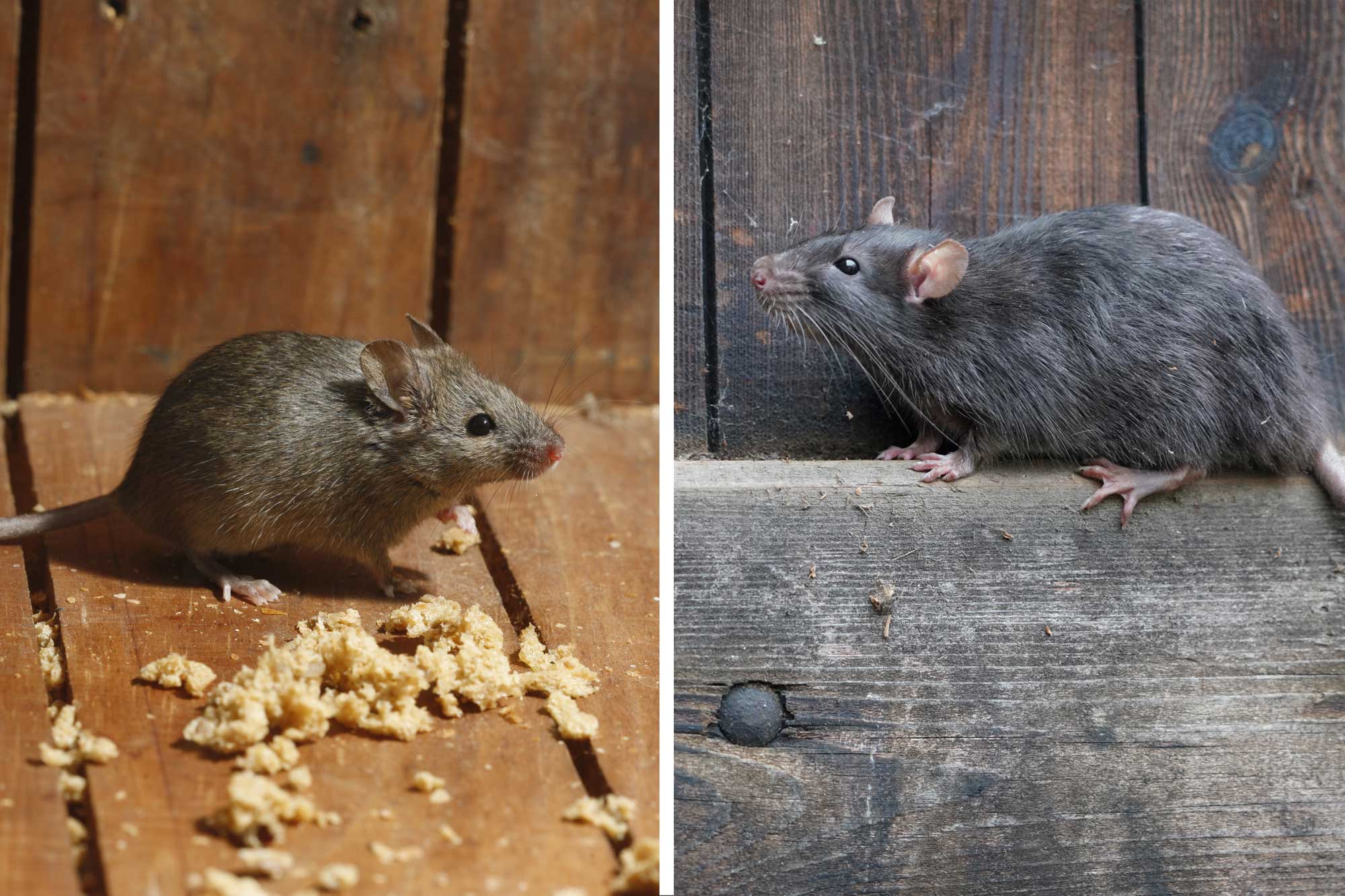
Mice and rats are two of the most troublesome pests found in residential, commercial, and agricultural settings. Their ability to adapt quickly to human environments, reproduce at alarming rates, and cause extensive damage makes them one of the most persistent pest challenges worldwide. A single pair of mice can produce dozens of offspring in a matter of months, and without proper control, what begins as a small problem can quickly escalate into a full-blown infestation.
This article provides a detailed look at why rodent infestations are dangerous, how to identify early warning signs, and the most effective methods of controlling and preventing them.
Why Mice and Rats Are Dangerous
- Health Hazards
Rodents are known carriers of diseases that can be transmitted directly to humans or indirectly through fleas, mites, and ticks. Some of the most concerning include:- Hantavirus Pulmonary Syndrome (HPS): Contracted through inhalation of particles from rodent droppings or urine.
- Leptospirosis: A bacterial infection that spreads through contaminated water or soil.
- Salmonellosis: Often transmitted when rodents contaminate food supplies.
- Plague: Rare today but historically devastating, spread by fleas carried by rats.
- Property and Structural Damage
Rodents have strong teeth that grow continuously, compelling them to gnaw on almost anything—including wood, plastic, pipes, and electrical wiring. Damaged wiring is a common cause of house fires linked to rodent infestations. Nesting behaviors can also damage insulation, ceilings, and furniture. - Economic Impact
In food industries, farms, and warehouses, rodents destroy and contaminate significant amounts of stored goods, leading to financial losses. Businesses infested by rodents may face regulatory penalties, reputational damage, and forced closures until the problem is resolved.
How to Recognize a Rodent Infestation
Rodents are nocturnal and prefer to remain hidden, but there are many indicators of their presence:
- Droppings: Small, dark pellets scattered near food sources, cupboards, or along travel routes.
- Gnaw Marks: Chewed edges on containers, wires, or wooden structures.
- Nests: Made from shredded paper, fabric, or insulation, often found in hidden corners.
- Noises: Scratching, squeaking, or scampering in walls or ceilings, especially at night.
- Tracks and Smudge Marks: Rodents often travel the same routes, leaving greasy marks and footprints along baseboards.
- Unusual Pet Behavior: Dogs or cats may become agitated when they sense rodents behind walls or under appliances.
Early detection is critical. The sooner an infestation is identified, the easier and safer it is to control.
Effective Control Methods
- Exclusion and Proofing
Prevention is the foundation of rodent control. Rodents can squeeze through openings as small as a dime (mice) or a quarter (rats). To block entry:- Seal cracks and holes in walls, floors, and foundations with steel wool, metal sheeting, or cement.
- Install door sweeps on exterior doors.
- Cover vents, chimneys, and drains with mesh screens.
- Repair damaged roof tiles or soffits.
- Sanitation and Habitat Modification
Rodents thrive where food and shelter are abundant. Good housekeeping practices make environments less attractive:- Store all food, including pet food, in sealed containers.
- Clean up crumbs, spills, and grease immediately.
- Dispose of garbage regularly and keep outdoor bins tightly closed.
- Eliminate clutter in garages, basements, and storage areas.
- Trim vegetation around buildings and remove piles of wood or debris where rodents might nest.
- Trapping and Baiting
- Snap Traps: Quick, humane, and effective when placed properly along runways and near walls.
- Glue Boards: Useful for monitoring but less humane and not ideal for large infestations.
- Rodenticides: Poison baits should be used cautiously. Improper use can endanger children, pets, and non-target wildlife. For safety and effectiveness, professional handling is strongly recommended.
- Integrated Pest Management (IPM)
The most sustainable strategy is a combined approach. IPM integrates sanitation, structural exclusion, monitoring, and targeted control methods to address both current infestations and long-term prevention.
Professional Pest Control Services
While DIY methods may help with minor infestations, professional pest control is often essential for serious or recurring rodent problems. Licensed experts can:
- Conduct thorough inspections to identify hidden nests and entry points.
- Safely apply rodenticides and advanced trapping methods.
- Use monitoring tools to track rodent activity and measure progress.
- Offer long-term prevention plans tailored to the property.
Hiring professionals not only resolves infestations faster but also reduces risks associated with improper pesticide use.
Long-Term Rodent Management
Rodent control is not a one-time effort but an ongoing process. Even after successful elimination, properties remain vulnerable to reinfestation unless preventive measures are maintained. Key practices include:
- Scheduling regular inspections, especially in older buildings or food-handling facilities.
- Continuing to monitor for droppings, gnaw marks, or unusual noises.
- Keeping up with structural maintenance and sanitation.
- Educating household members or employees about preventive practices.
Final Thoughts
Mice and rats are more than just a nuisance—they are a significant health, safety, and economic threat. With their ability to multiply quickly, even a small infestation can escalate into a major problem if ignored. A combination of prevention, sanitation, proper trapping, and professional support is the most effective way to achieve long-term rodent control.
By staying vigilant and proactive, you can protect your home, business, and family from the risks associated with these destructive pests.
Legg inn en kommentar